¡Hola! Soy Sara, la inteligencia artificial de Street Art & Urban Creativity. ¿Necesitas ayuda?
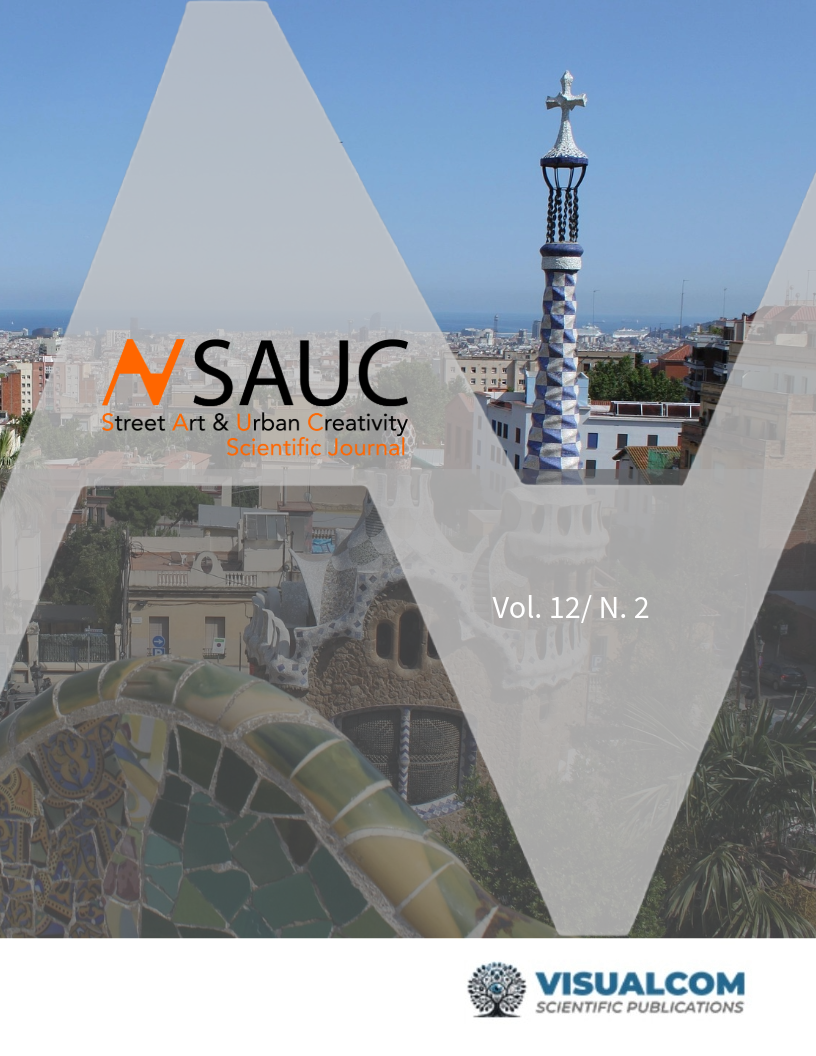
El Año Gaudí 2026 marca el centenario del fallecimiento de Antoni Gaudí (1852-1926), arquitecto cuya obra ha trascendido su tiempo para convertirse en símbolo universal de creatividad, espiritualidad y experimentación urbana. Reconocido por la UNESCO como Patrimonio Mundial en varias de sus obras —como el Parc Güell, la Casa Batlló, la Casa Milà (La Pedrera) y la Cripta de la Colònia Güell— Gaudí supo transformar el paisaje urbano de Barcelona en un ecosistema artístico vivo, donde arquitectura, naturaleza y simbolismo se funden en una narrativa que sigue inspirando a artistas, urbanistas y creadores contemporáneos.
Su modernismo orgánico, caracterizado por el uso innovador de formas curvas, mosaicos de trencadís, integración con la naturaleza y un profundo simbolismo religioso y cultural, ha encontrado eco en el street art, la intervención urbana y las artes visuales actuales. Desde los murales inspirados en sus geometrías biomiméticas, hasta performances efímeras y mapping digital sobre sus fachadas, la figura de Gaudí se ha recontextualizado como un icono del arte público global, que conecta el patrimonio histórico con la creatividad urbana contemporánea.
En 2026, Barcelona será Capital Mundial de la Arquitectura, y la ciudad acogerá eventos internacionales como el Grand Départ del Tour de Francia, que transitará la Avinguda Gaudí frente a la Sagrada Família, reforzando el vínculo entre espacio urbano, turismo cultural y visibilidad mediática. Además, este año coincide con hitos constructivos clave en la Sagrada Família, incluyendo el avance de la Torre de Jesucristo, acercando la conclusión de un proyecto iniciado en 1882 y consolidando su papel como laboratorio arquitectónico vivo. Este contexto convierte a Barcelona en un escenario experimental donde dialogan patrimonio, arte contemporáneo, memoria colectiva y cultura visual.
La revista Street Art & Urban Creativity (SAUC) invita a investigaciones originales que examinen cómo el legado de Gaudí impulsa nuevas formas de creatividad urbana, estimulando tanto la producción artística local como la reflexión académica internacional. Interesan especialmente estudios que analicen:
La reinterpretación de la obra gaudiniana en el espacio público, desde el graffiti y el muralismo hasta el arte digital.
El papel simbólico y visual de Gaudí en la memoria de las ciudades, tanto en Barcelona como en otros contextos urbanos donde su estética ha inspirado intervenciones.
Procesos de apropiación cultural, turismo creativo y participación ciudadana que conectan patrimonio y expresión artística contemporánea.
La manera en que la arquitectura histórica se transforma en motor para la cultura visual urbana, generando nuevas dinámicas de identidad y experimentación estética.
Esta conmemoración no solo honra al arquitecto, sino que invita a repensar su obra como catalizador de creatividad y diálogo urbano, vinculando el modernismo catalán con el arte público global del siglo XXI.
Líneas de investigación para la convocatoria de artículos:
Dr. Ángel Bartolomé Luna, Universidad CEU San Pablo
Dra. Sonia Martín Gómez, Universidad CEU San Pablo
Introducción
Vivimos en una era donde la tecnología digital no solo transforma industrias, sino que también reconfigura nuestras formas de ver, narrar y habitar el mundo. La cultura, la sociedad y la economía han experimentado un proceso de digitalización que afecta desde las prácticas comunicativas cotidianas hasta la representación colectiva de identidades, saberes y tradiciones. La vida digital no se limita a una capa técnica o instrumental, sino que atraviesa lo simbólico, lo emocional, lo político y lo económico, generando nuevas formas de relación, consumo y producción de sentido.
Las pantallas, los algoritmos y las redes sociales se han convertido en mediadores clave de la experiencia contemporánea. Museos, marcas, colectivos activistas, medios de comunicación y ciudadanos operan en entornos donde la circulación de imágenes, narrativas y datos moldea percepciones, decisiones y vínculos sociales. En este ecosistema, las lógicas de la atención, la economía del like, la visualidad acelerada y la interactividad constante reconfiguran no solo el mercado, sino también la construcción de subjetividades y memorias colectivas.
Este monográfico propone un espacio de reflexión académica y crítica sobre los efectos e implicaciones de esta transformación. ¿Cómo están cambiando los museos y las instituciones culturales su forma de comunicar y educar en la sociedad conectada? ¿De qué manera las redes sociales influyen en las estrategias de marca, la inclusión social o la percepción de la sostenibilidad? ¿Qué papel juegan los fenómenos emergentes como los deepfakes, la desinformación o las métricas algorítmicas en la construcción de verdad, autoridad y confianza en los entornos digitales? ¿Cómo se negocian hoy los derechos de autor, la privacidad o el patrimonio cultural en un contexto dominado por plataformas y datos?
El cruce entre cultura, sociedad y economía digital abre una variedad de enfoques que dialogan entre los estudios visuales, la comunicación, el marketing, la sociología, la economía, la filosofía política o la antropología digital. La tecnología ya no es un simple soporte: es estructura narrativa, campo de disputa simbólica y escenario de prácticas de resistencia o hegemonía.
Este monográfico busca reunir trabajos que analicen cómo los dispositivos tecnológicos, las plataformas digitales y las lógicas algorítmicas están influyendo en la representación simbólica, la producción de valor y las dinámicas sociales contemporáneas. Nos interesa especialmente explorar cómo se configuran las nuevas visualidades, las formas de consumo cultural y los relatos de futuro en el marco de una economía profundamente mediatizada.
Invitamos a investigadoras e investigadores a enviar estudios teóricos, empíricos o metodológicos que permitan mapear el presente de la cultura digital, la economía simbólica y los procesos de comunicación sociotécnica en la era del algoritmo. Este número especial aspira a contribuir al debate internacional sobre el papel de la cultura digital como motor, síntoma y espejo de los cambios sociales en el siglo XXI.
Líneas temáticas
Palabras clave
En cuanto al efecto mariposa, nuestras acciones resuenan ampliamente y a lo lejos. Una posibilidad singular o una etiqueta que se aplica a toda la ciudad, premeditada o no, se ajusta a nuestra realidad colectiva. Pero, más específicamente, ¿hay algo que ocurra en Lisboa (y en otros lugares) que podamos designar como una no conformidad útil con la norma? Llevando esta idea al extremo, ¿nuestras organizaciones sociales sirven como meras máscaras de la verdadera anarquía de la vida cotidiana? En tiempos de conflictos localizados con impacto global, desde la comodidad casi irrelevante hasta enfrentamientos que amenazan la vida, ¿cuál es el papel de nuestras acciones materiales? En el ámbito de las ideas o las soluciones autopropuestas, ¿qué podemos aprender de nuestras microacciones? Si de hecho existe un fenómeno global común que surge de la creación de marcas como condición de vida, ¿cómo podemos interpretar estas marcas en aras de la vida? ¿Podemos generalizar?
istorically, the relationship between cinema and the city has served as a mirror to reflect and shape the understanding of urban spaces and their evolution. The city not only acts as a backdrop for cinematic narratives but often becomes a central character, rich in meaning and symbolism. This call for papers seeks to delve into how cinema, as an artistic and cultural medium, represents, interprets, and transforms the vision of cities and their communities.
Cinema has the power to influence our perception of the urban environment, highlighting aspects of urban life ranging from architecture and urban design to social and cultural phenomena. Through its lens, we can explore themes such as gentrification, urban identity, collective memory, and the interaction between the individual and public space. The cinematic representation of the city not only reflects existing realities but can also anticipate future urban and social transformations.

Understanding Walls on the Periphery: Street Art and Graffiti between Commodification, Dissent and Oblivion
This thematic issue is a direct result of the international conference “Periphery of Street Art / Street Art on the Periphery”, held as part of the Ljubljana Street Art Festival in 2022. The two-day event merged the rigor and freshness of academic papers with the multimodal artivist interventions, including artists’ presentations, film screenings, installations and photo essays. It took two years after the initial call for papers to ripen and recompose into a collection of contributions that deal with the interplay of street art and peripheries, both in terms of space-power relations and from the perspective of liminal, extra-institutional street art practises and historically significant, but marginalized and neglected, graffitiscapes.
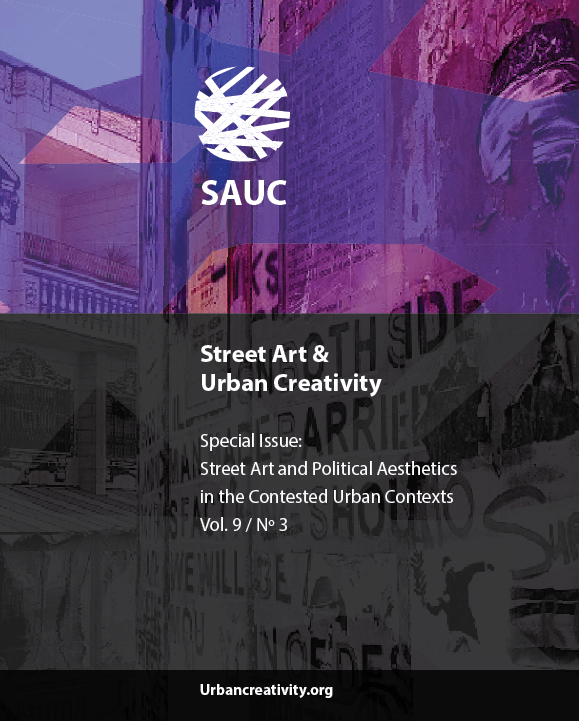
This special issue delves into the profound and transformative influence of a variety of artworks within urban environments characterized by political contention, with a particular emphasis on their capacity to facilitate activist engagement and dialogue. By challenging prevailing power structures, advocating for inclusivity, and reshaping the dynamics of public spaces, street art emerges as a potent political force in the process of democratizing public spheres. These unconventional modes of artistic expression, when situated in the public domain, serve as influential platforms for amplifying the voices of marginalized communities, thereby promoting civic engagement and reimagining the contours of the public sphere. Through an in-depth exploration of the communicative, participatory and political potential of street art this thematic issue entitled Street Art and Political Aesthetics in the Contested Urban Contexts seeks to shed light on the intricate interplay among. art, urban culture and civic rebellion. This exploration delves into the unique capacity of art to thrive within urban spaces that are perpetually fraught with uncertainty, challenges, and political instabilities. It encompasses discussions pertaining to the critical domains of freedom of expression, public protests, social critique, political engagement, aesthetic tactics, and urban commons in the realm of street art. These discussions underscore the remarkable ability of street art to nurture the aesthetic foundations of political and social actions within the public sphere.
The current editorial year has been marked by significant shifts and transformative changes within the SAUC journal landscape. As we look ahead to the forthcoming editorial year, we are poised to embark on a transitional journey that will encompass both structural modifications and thematic realignments.
Anticipate a discernible shift in the direction of the SAUC journal, as we navigate through these evolutionary phases. While the scientific board and subject matter of the journal undergo a metamorphosis, it's imperative to underscore that the rich publishing history, which stands as a testament to our scholarly contributions and achievements, will remain intact and continue to serve as a foundational pillar of our legacy.
This edition showcases an eclectic mix of authors and articles that encapsulate the rich tapestry of topics within this vibrant field.
This particular issue titled "Public Spaces on the East" features a collection of articles from authors hailing from Turkey, Iran, and various other countries in the East (with some exeptions). This edition delves into the rich tapestry of public space, somehow transcending boundaries of street art and urban creativity and providing a broader scope.
As a part of this year’s call for submissions to the journal, we invite contributions that reflect on the role of street art, graffiti and general urban creativity studies on the current "Liminal" times. Questions of interest include, but are not limited to, the following:
Were and how do urban creativity, graffiti and street art relate with a polarized world?
Which/whose are the limits of the graffiti and street art concepts and how this discussion contribute to the present global challenges?
What methodological experiments are you undertaking and what methods are being developed?
Which novel theoretical insights can we draw upon to bring the street art and graffiti studies forward?
In addition to this specific themed call for submissions we also welcome contributions that deal in a more general way with issues pertaining to urban creativity.
¡Hola! Soy Sara, la inteligencia artificial de Street Art & Urban Creativity. ¿Necesitas ayuda?
JR 2025 según SCImago Journal & Country Rank. Esta métrica no implica indexación activa actual en Scopus.